Polare
Four strings
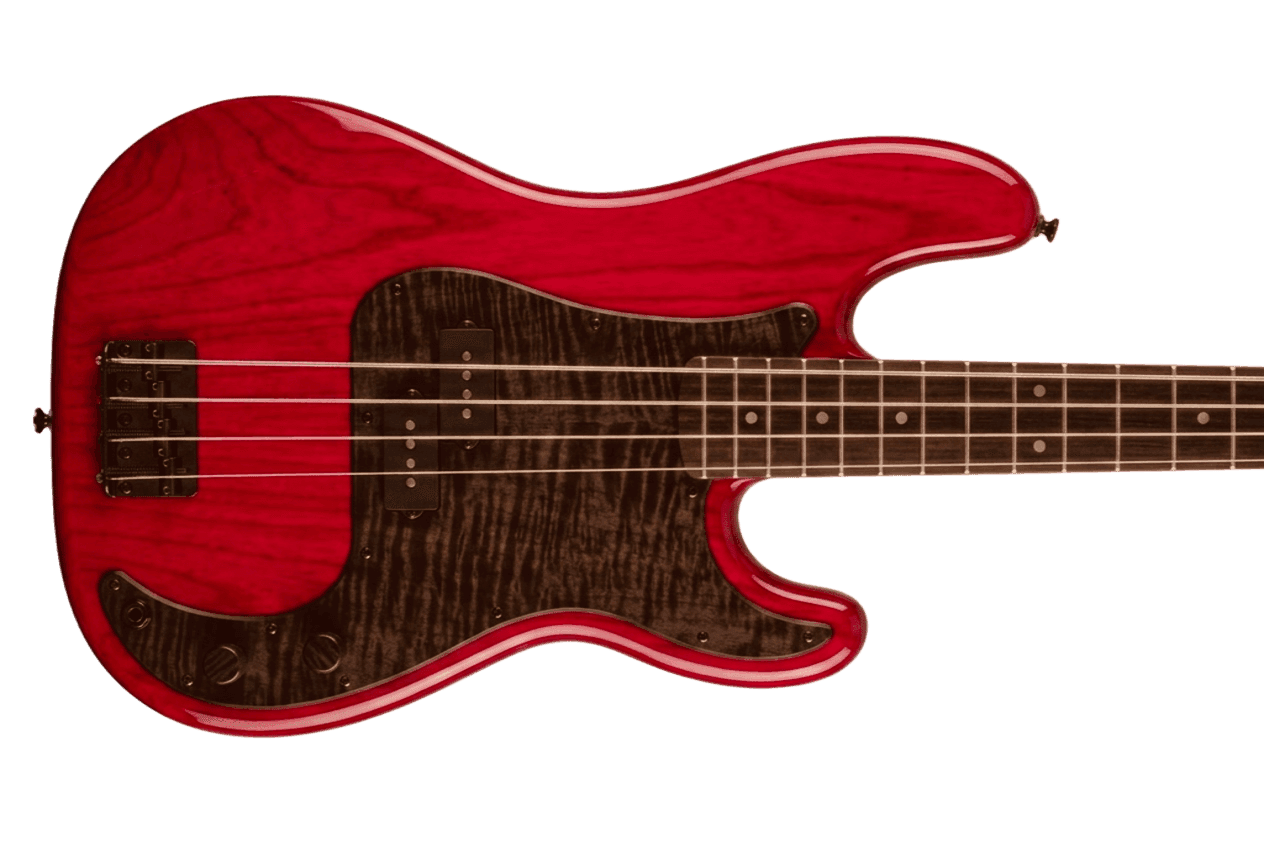
The fixed point of the range: long scale length and passive electronics. Nothing unusual anywhere: everything chosen because it works, and it is the bass the rest starts from.
- Panna
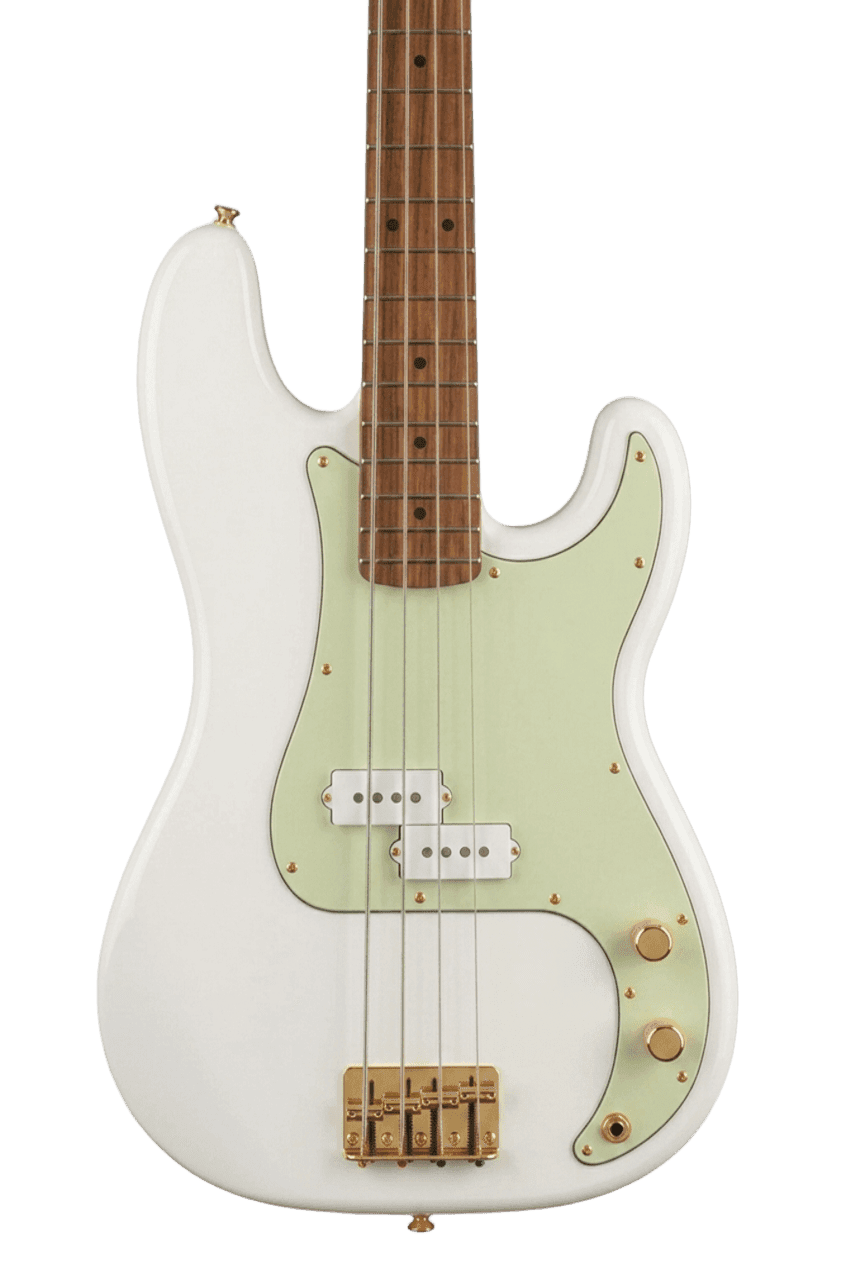
- Carminio
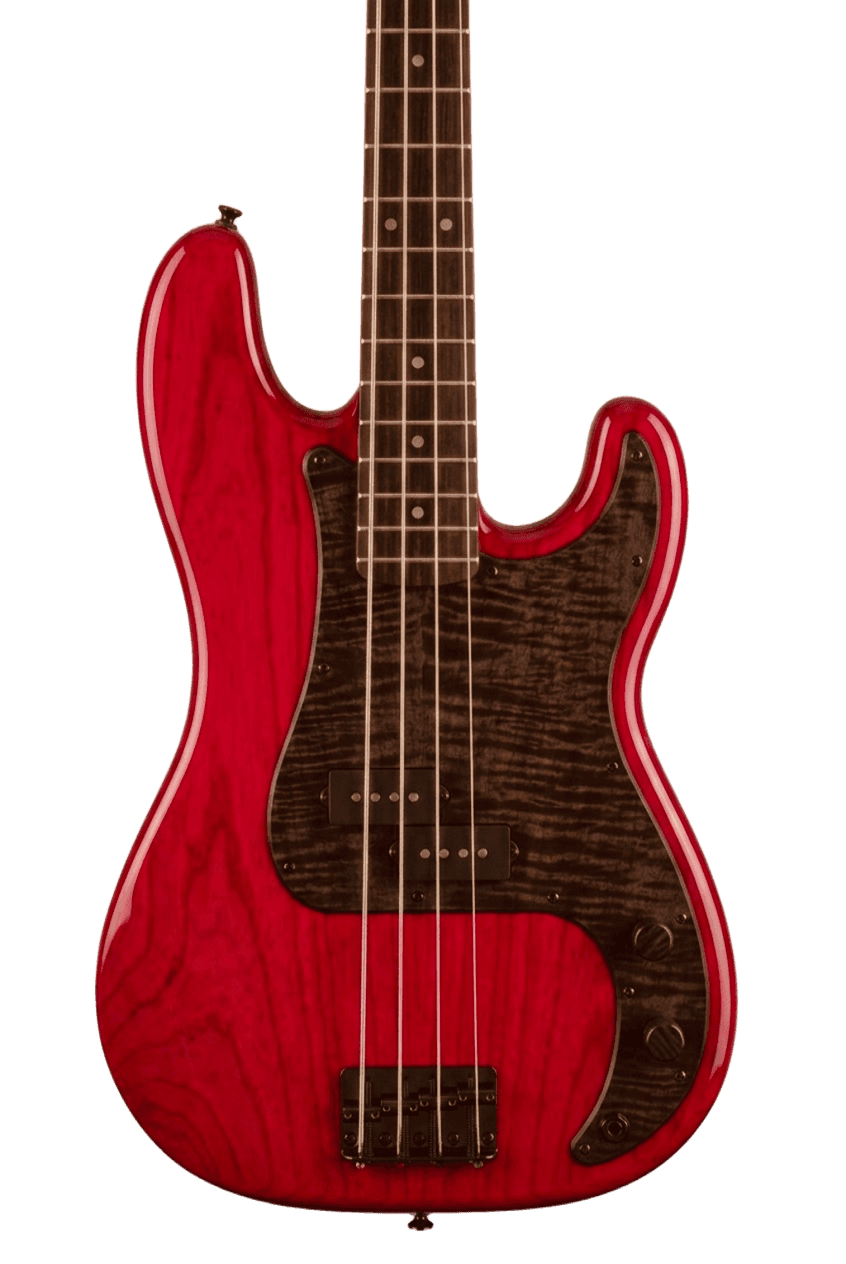
- Ossidiana
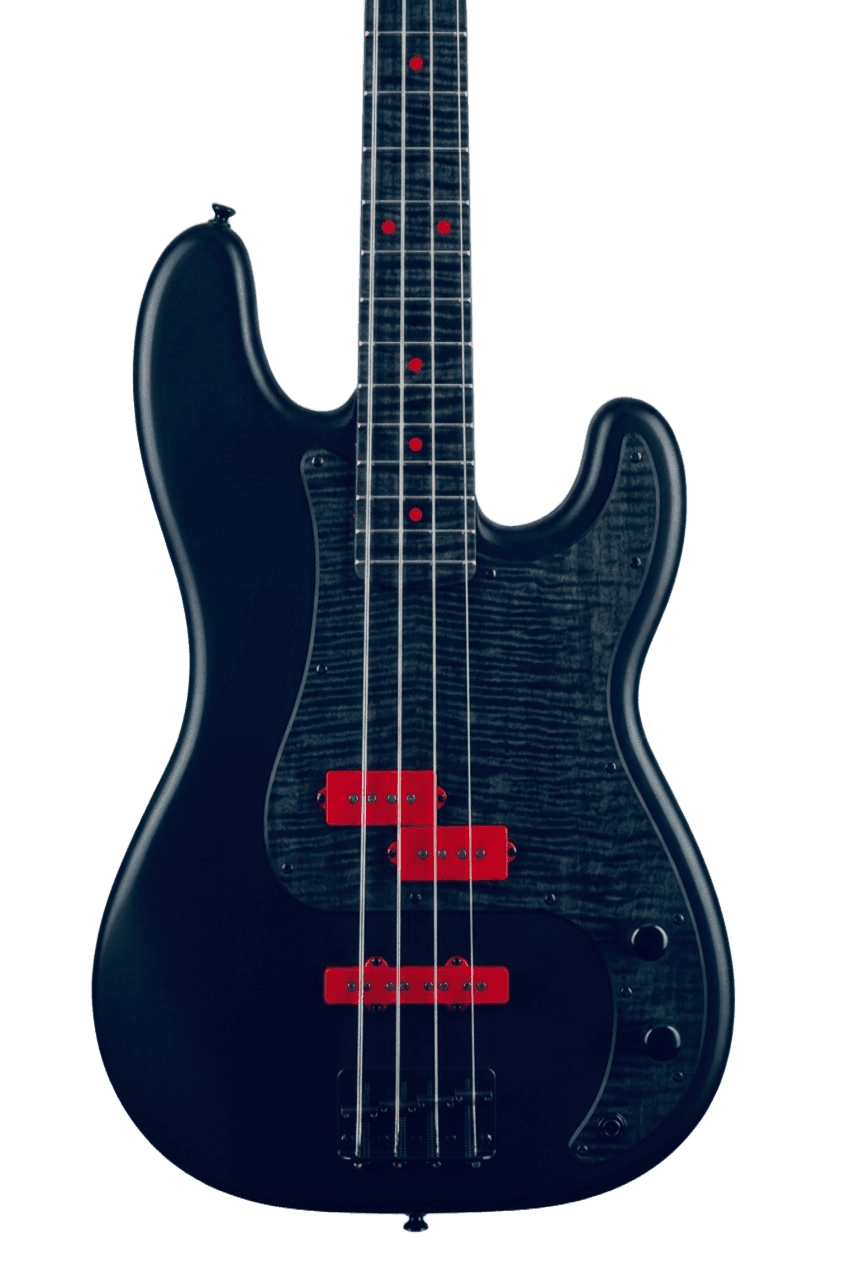
- Boreale
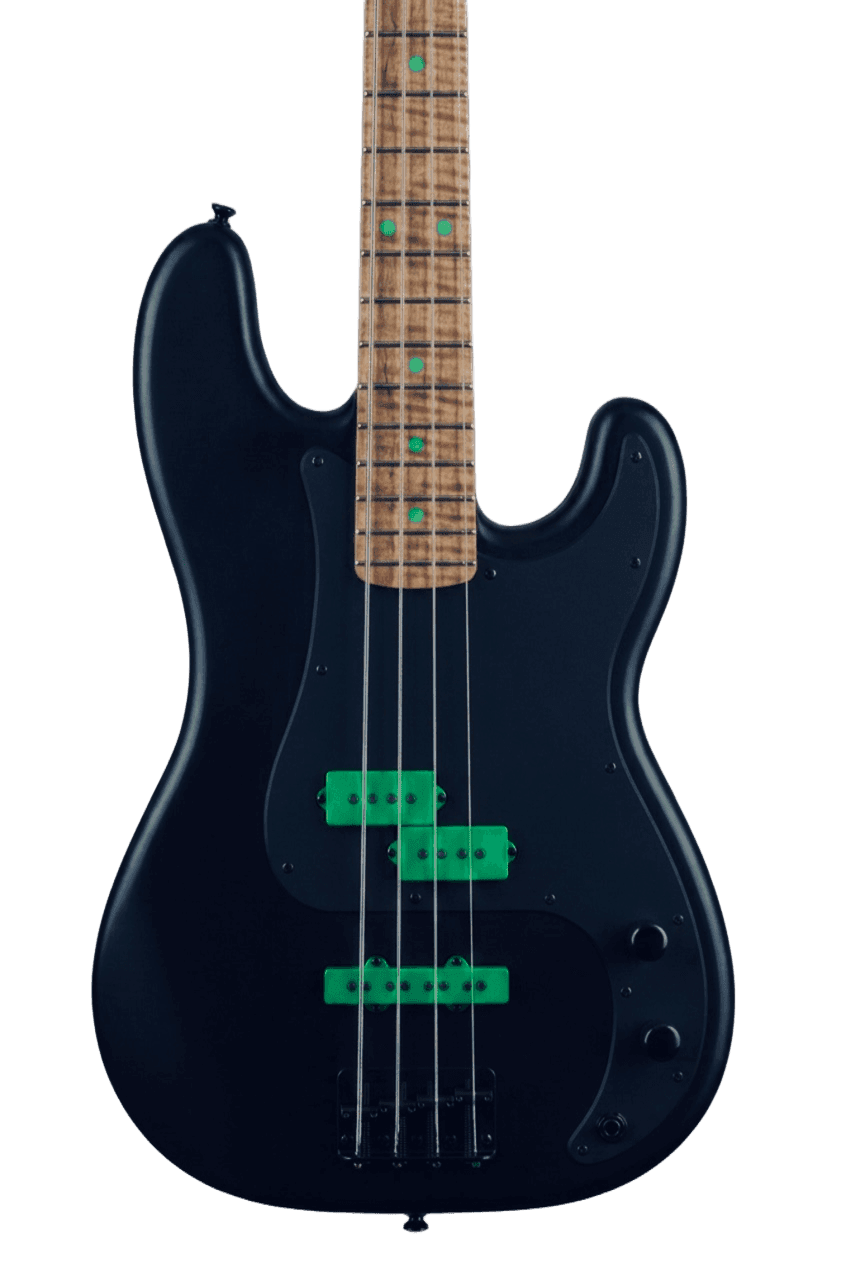
- Tabacco
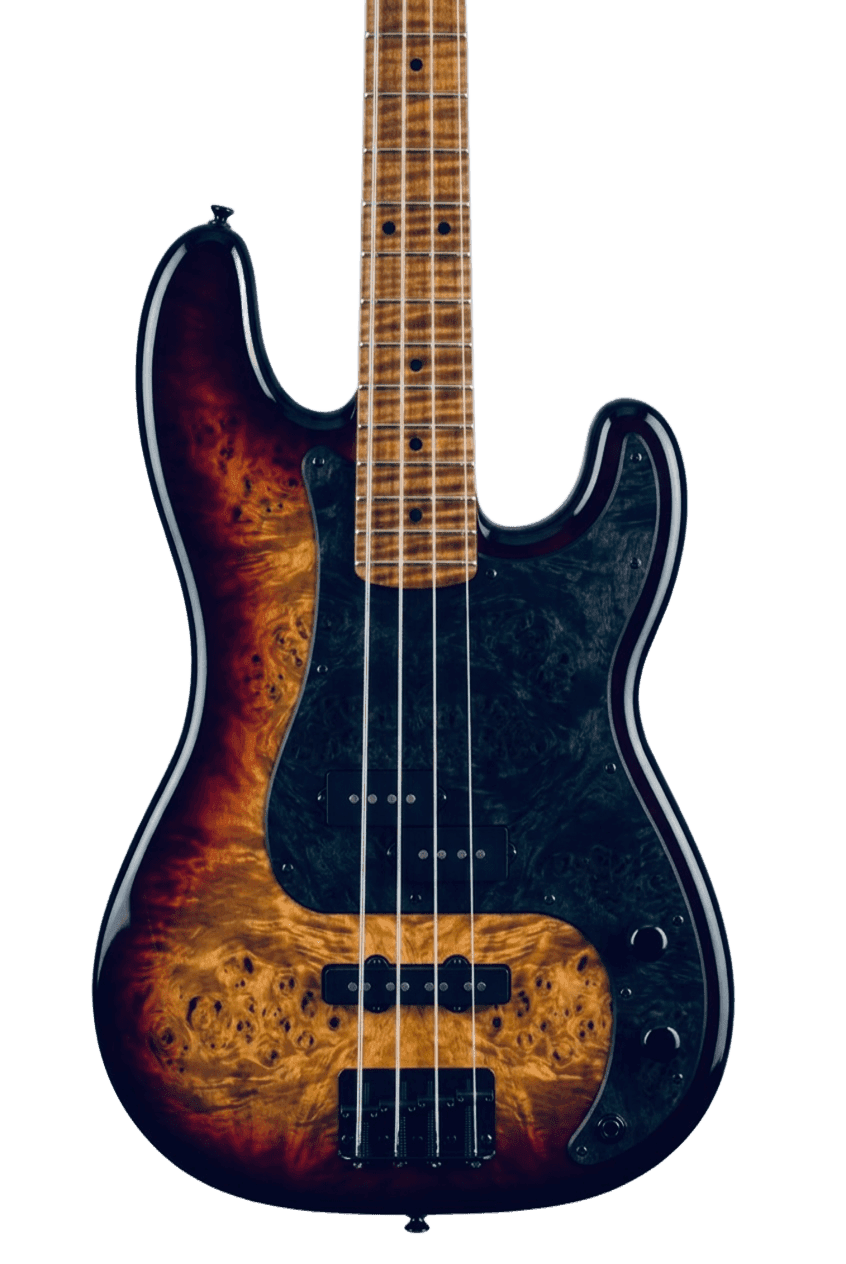
- Solare
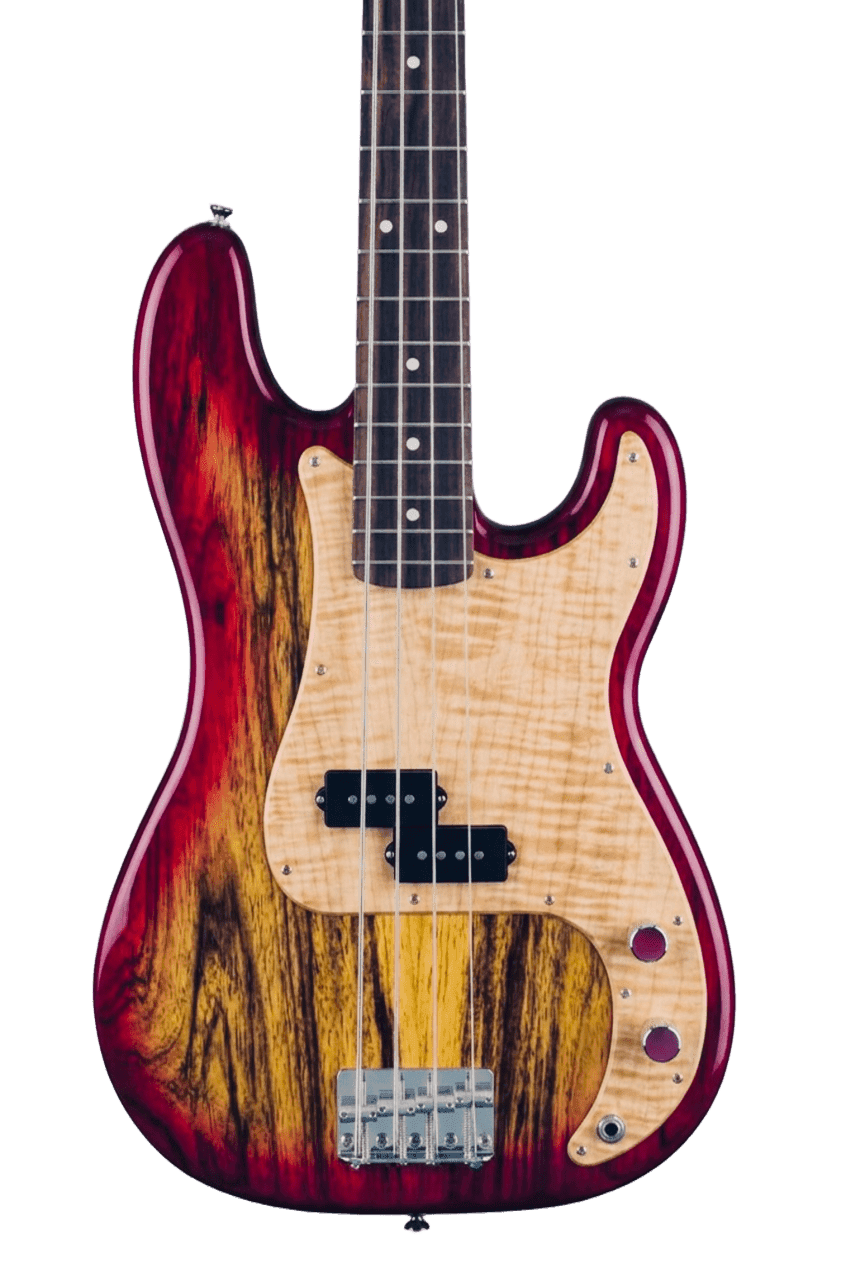
- Grafite
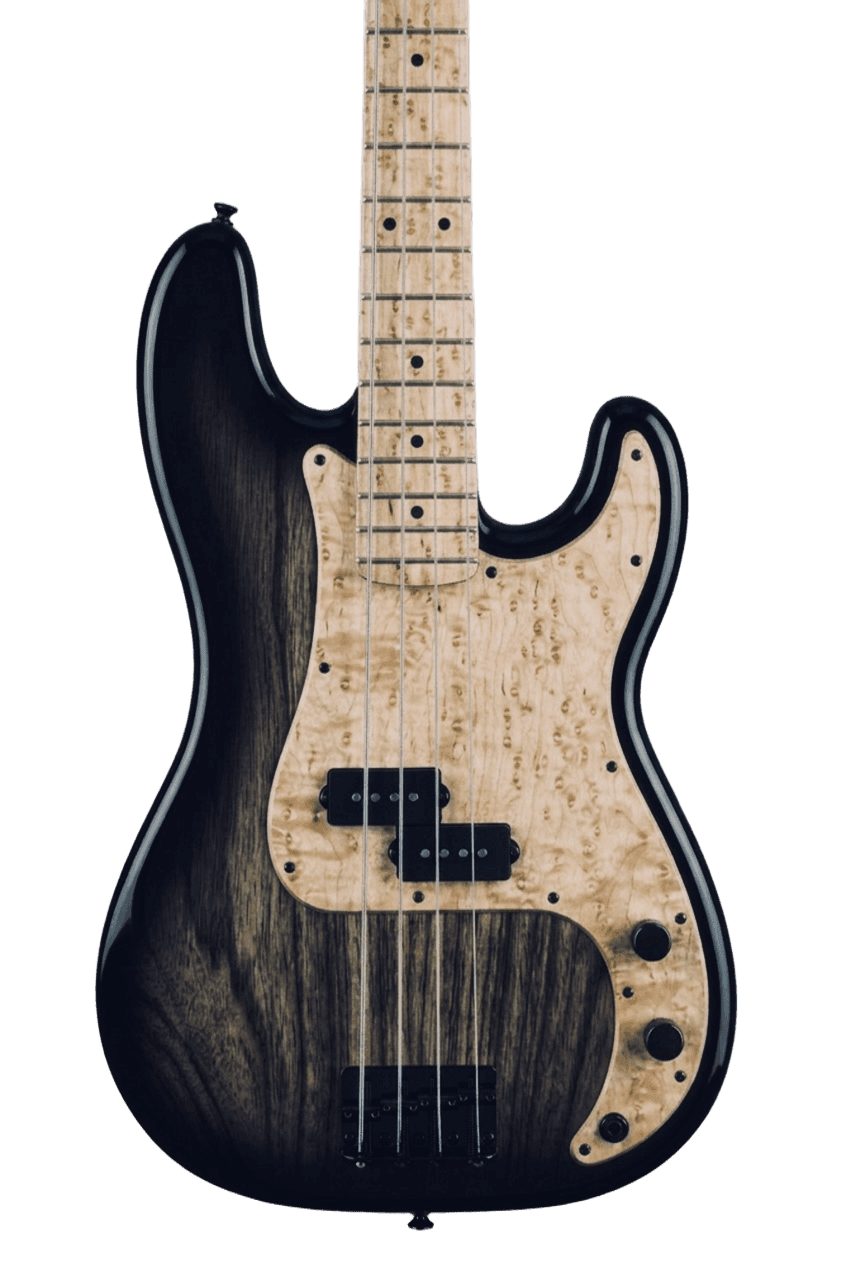
- Menta
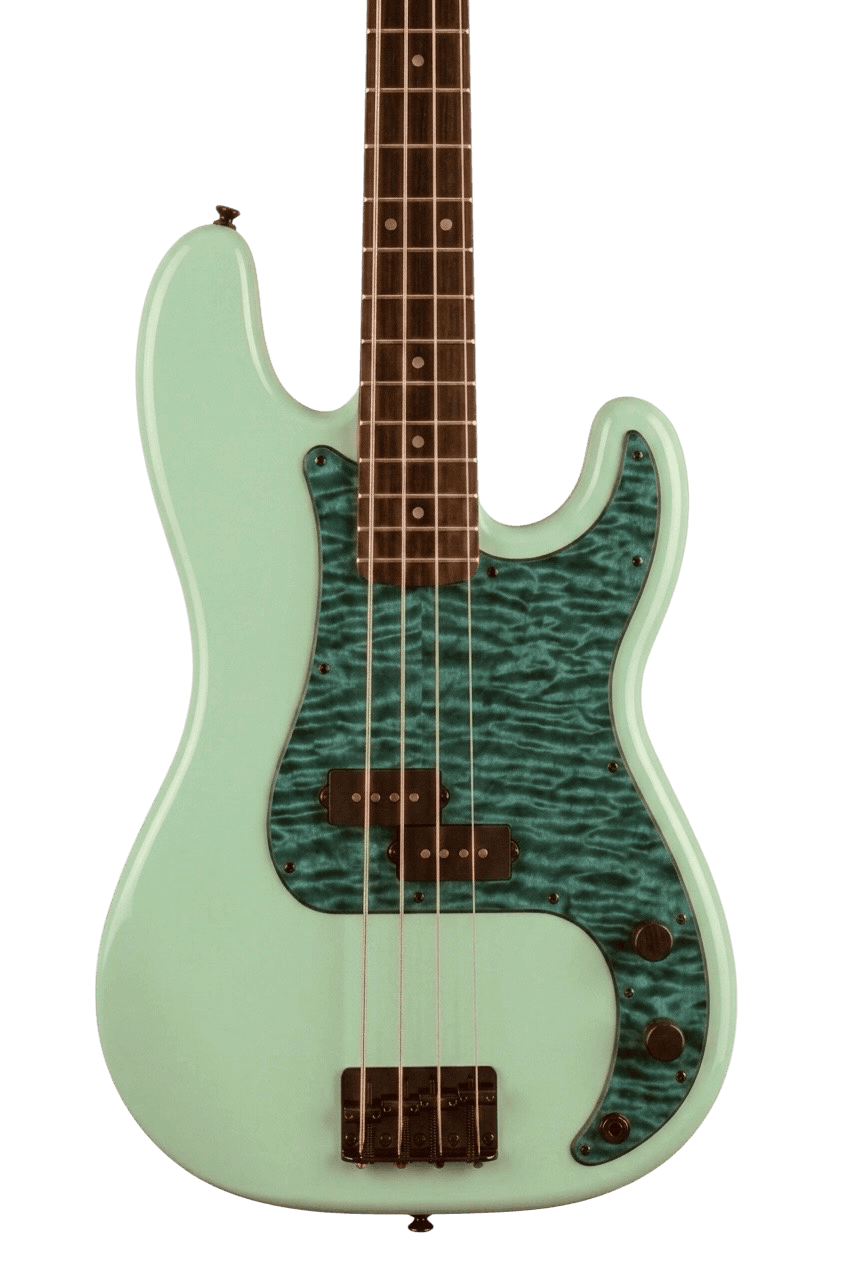
8 finishes available — and this is not a closed list
What sets it apart
Passive, and that is the point
No battery, no preamp, nothing to remember before a gig. What comes out is the wood and the pickup, and the volume rolled halfway back is still a sound of its own, not a dimmed version of the one wide open.
The ash stays visible
Open pore under a translucent stain: the grain stays at the surface and you feel it under your fingers. It is why this instrument is built in translucent colours — under a solid finish the same timber would be a decision about weight and nothing more.
864 millimetres
The long scale, the one most of what you already know how to play was written on. The strings sit under tension, the intonation holds down low, and every set on the shop wall is already the right one.
Photographs
Photographs of Polare
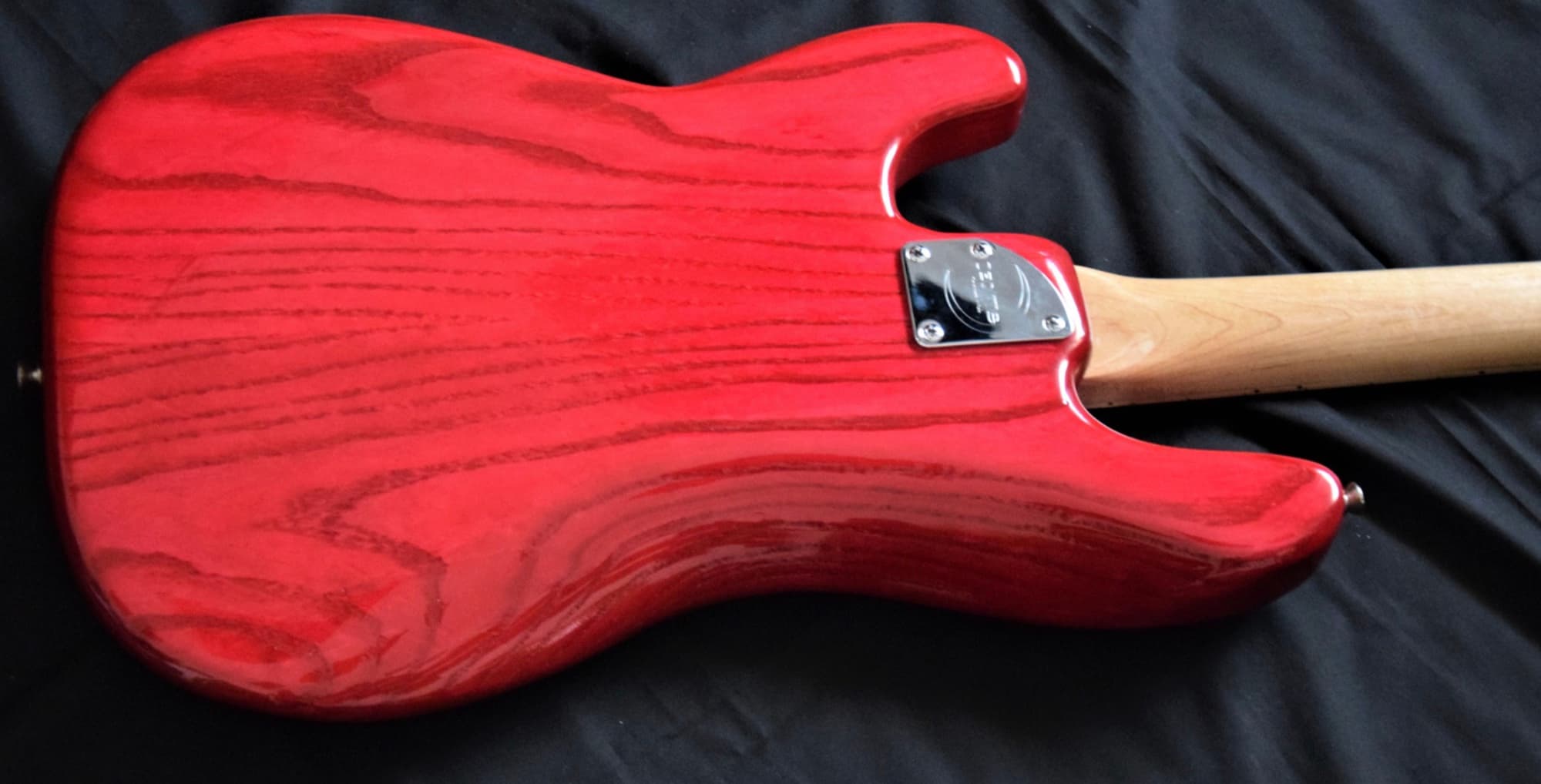
The back: open-pore ash under the stain
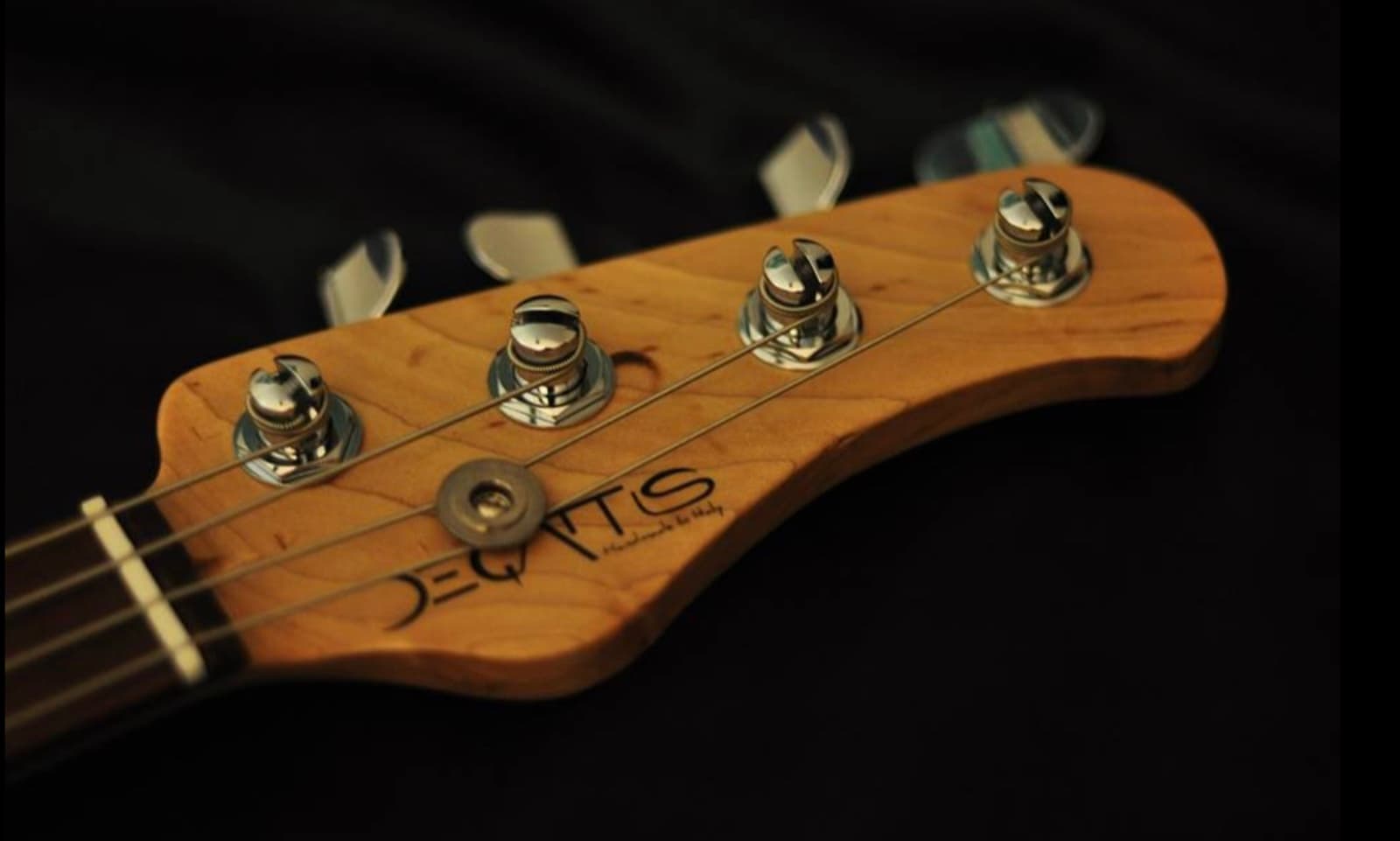
The headstock, in maple
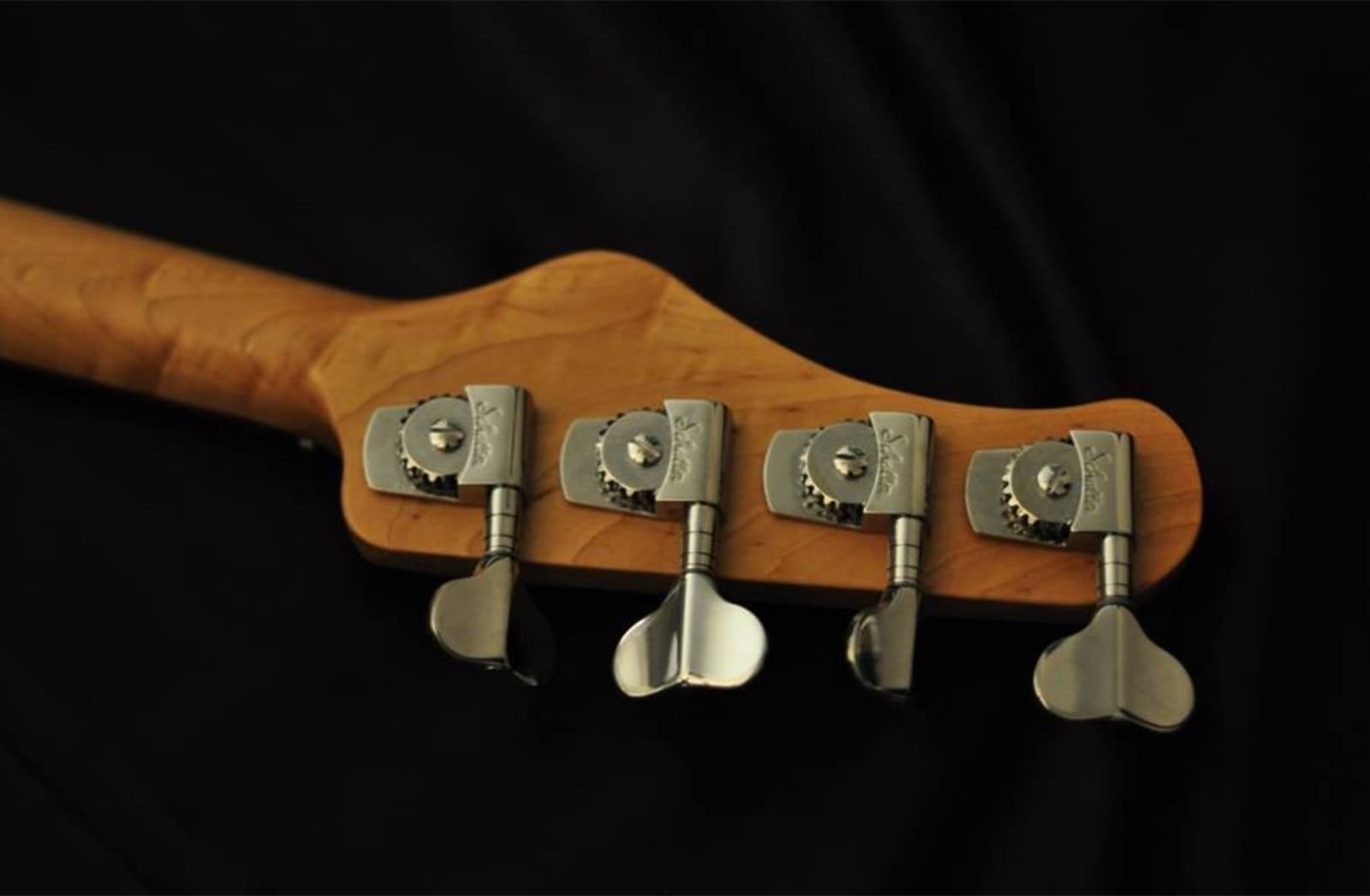
The tuners, from the back
Specifications
How it is made.
- Scale length
- 864 mm
- Neck
- American maple
- Fretboard
- American maple · Madagascar rosewood · Ebony · Pau ferro
- Body
- American ash · Alder · Swamp ash
- Top
- No top · Curly maple · Quilted maple
- Truss rod
- Dual action
- Nut
- Tusq · Bone
- Tuners
- Schaller · Gotoh
- Bridge
- Wilkinson · Gotoh
- Pickups
- 2 × De Gattis special edition
- Pots
- Fender 250 kΩ
- Frets
- Jumbo
- Fretboard radius
- 9.5 · 12 inches
- Body finish
- Gloss polyurethane
- Neck finish
- Satin polyurethane
- Fretboard finish
- Tru-Oil
And now
Carry on building it.
In the Custom Shop the bass gets built one choice at a time — shape, scale, headstock, bridge, tuners — and at the end it is the luthier who writes back, not a form. What it does not ask you, a particular wood or a colour you have in mind, you say by writing.